MOQs, Samples and Lead Times: Private-Label Skincare Questions Answered
The practical questions brand owners ask before their first manufacturing conversation are almost always the same. Here are straight answers to the ones that come up most often, so your first call can start somewhere more useful.
What does minimum order quantity actually apply to?
Usually to a single stock keeping unit, meaning one formula in one pack size. If your range has three shades or three scents, ask whether the minimum applies per variant, because that changes your total commitment by a multiple. Bulk minimums and filled-unit minimums can also differ, so confirm which figure you are being quoted.
Why are minimum order quantities set where they are?
They reflect the smallest volume at which a production run makes economic sense. Raw materials are bought in set quantities, mixing vessels have a working capacity, and every changeover requires cleaning and line validation. Custom formulas typically carry higher minimums than adapted library formulas because there is no existing production history to draw on.
How many sample rounds should I expect?
Two or three is common for an adapted library formula. A bespoke development often runs longer, particularly where texture, fragrance or a difficult active is involved. Give consolidated, specific feedback each round. Vague comments such as too heavy or not luxurious enough cost you an extra cycle.
Are samples free?
Initial library samples are often provided at low or no cost. Bespoke development samples generally carry a fee, sometimes credited against your first production order. Ask how it is treated before you begin.
How long does the whole process take?
For an adapted library formula, plan for several weeks of sampling, then testing, then production and quality release. For a bespoke formulation, plan in months rather than weeks. Add time for NPRA notification and for packaging component lead times, which are frequently the longest item in the chain and the one founders forget.
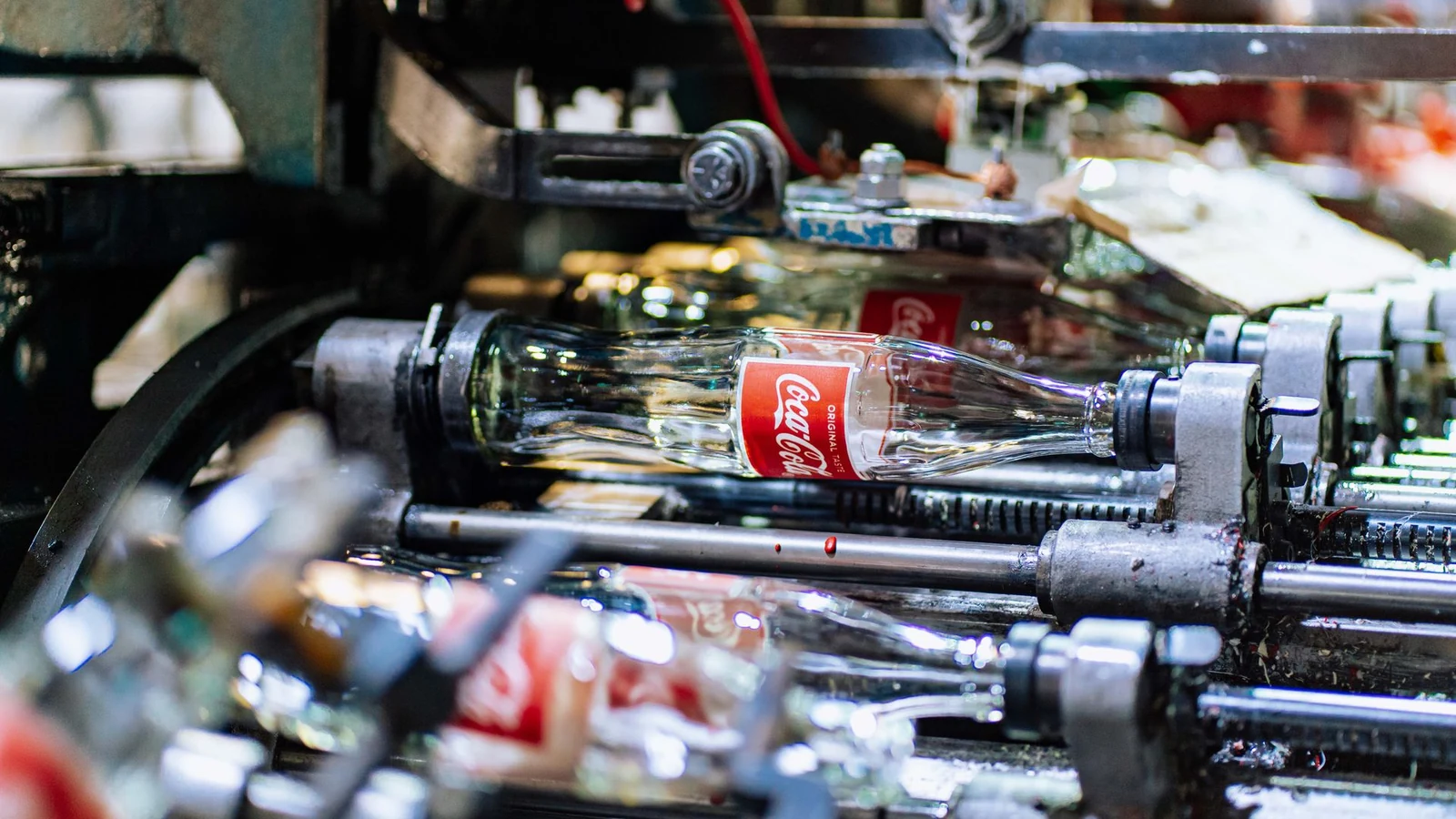
Can I use my own packaging supplier?
Often yes, provided the components pass compatibility testing and suit the filling line. Send samples to your manufacturer for assessment before placing a component order. A bottle that fails compatibility after tooling is paid for is an expensive lesson.
Who handles NPRA notification?
The Cosmetic Notification Holder must be a Malaysian-registered entity, so this sits with you or your appointed local partner. Your manufacturer supplies the technical documentation behind it, including the Product Information File. Confirm this division of work in writing.
What happens if I want to change the formula later?
Minor adjustments are normal, but they can require fresh stability testing and an update to your Product Information File. Depending on what changes, a notification amendment or a new notification may be needed. Budget time for it rather than assuming a tweak is free.
How much should I hold back for marketing?
There is no universal figure, but founders regularly commit so much to inventory that nothing remains to sell it. Decide your marketing budget before you sign the production order, not after the stock arrives.
Still deciding what to ask?
Bring the questions you have not resolved. Dermavelle Wellness works with beauty and wellness brands at every stage, from a first library selection to full custom development, with formulation, production, packaging and regulatory support handled together. Send your enquiry through dermavellewellness.com and the team will work through the specifics with you.
Have a project in mind?
Send us your brief and we'll come back with formats, timelines and minimum quantities.
Send an enquiry