Formulating Skincare for Thailand's Heat and Humidity: Six Things Brand Owners Should Know
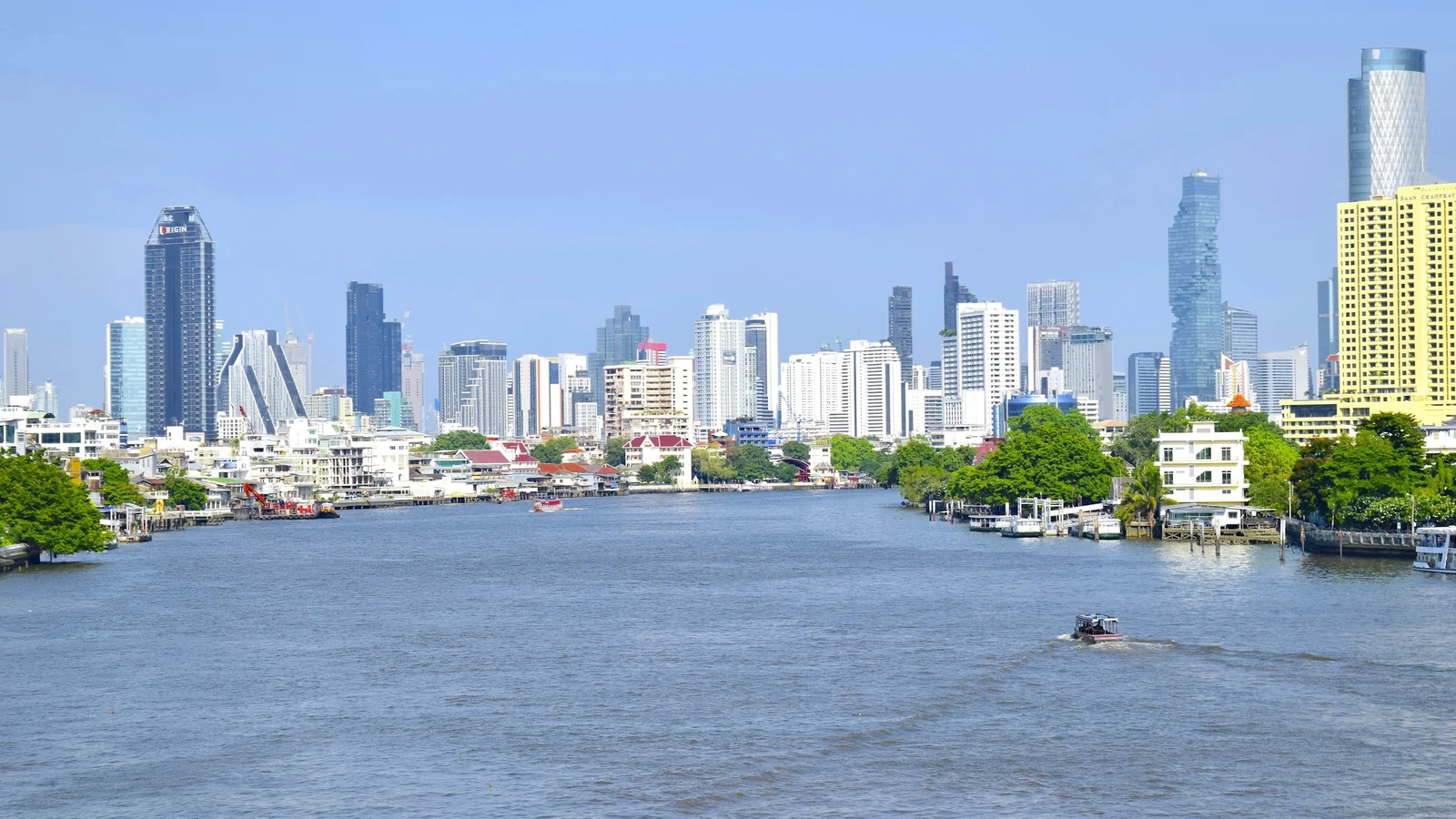
A formula that performs beautifully in a temperate lab can behave very differently after a week in a Bangkok delivery van. Thailand's heat and humidity shape what customers want to put on their skin and how products hold up once they leave the factory.
If you are developing a range for Thai customers, these six points deserve attention early in the brief.
1. Lightweight Textures Tend to Win
In a hot, humid climate, many consumers prefer gels, fluids, essences and fast-absorbing lotions over rich creams, particularly for daytime use. Heavier textures still have a place, often in overnight products, but the daytime routine usually leans light.
2. Heat Is a Stability Test
High temperatures can cause emulsions to separate, colours to shift and fragrances to change. Stability testing at elevated temperatures, carried out before production, gives a much clearer picture of how a formula will look and feel months after purchase.
3. Some Actives Need Extra Protection
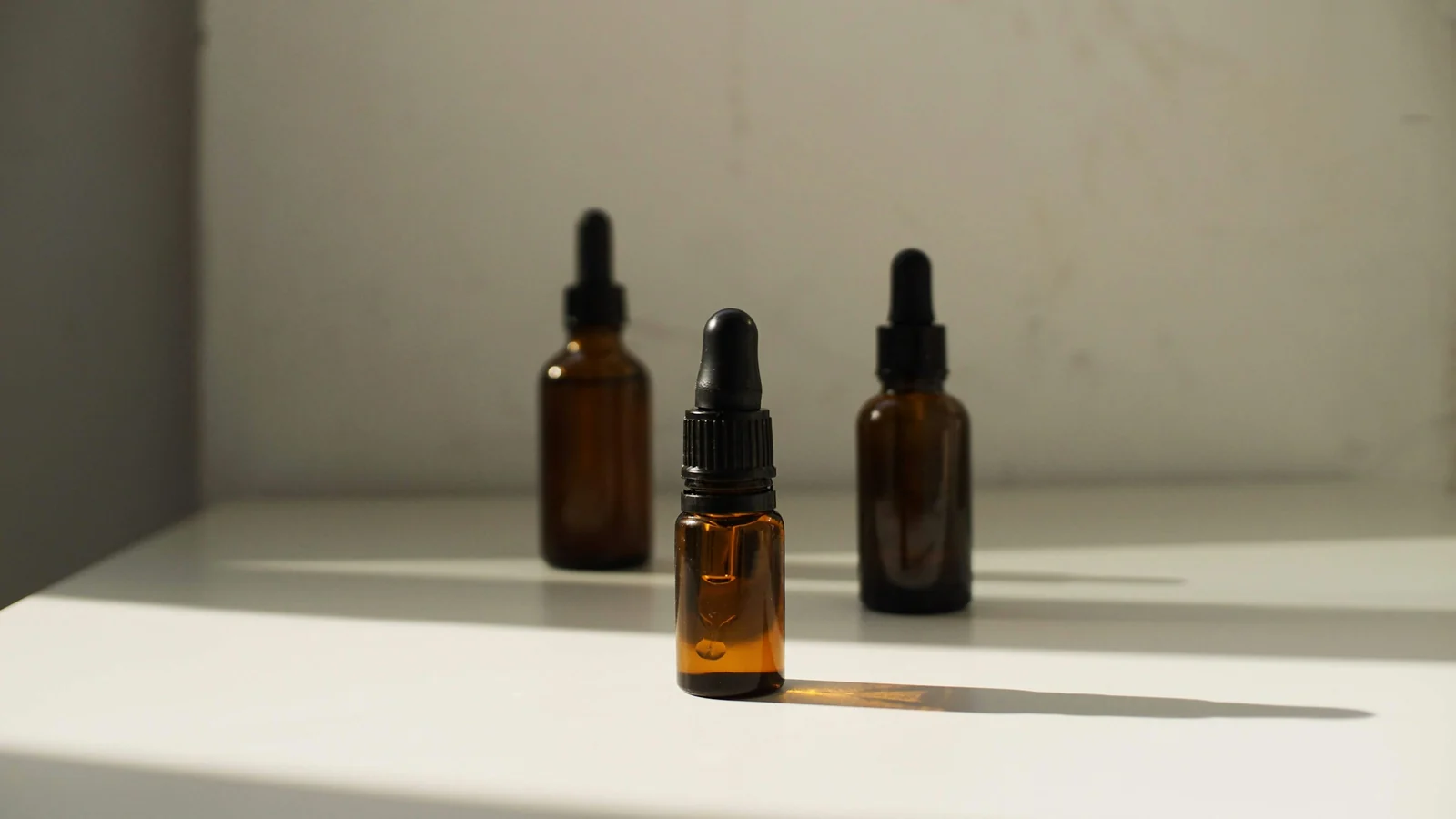
Pure vitamin C (ascorbic acid) breaks down when exposed to light, air and heat, which is why stabilised derivatives and protective packaging are widely used. Retinol is also sensitive to light and air, and encapsulation or single-dose formats help keep it fresh.
4. Preservation Must Be Proven
Warm, humid conditions and products that are opened many times a day create more opportunity for microbial growth. A preservative system should be validated through appropriate testing rather than assumed to work.
5. Packaging Is Part of the Formula
Airless pumps, tubes and amber glass all reduce exposure to air and light. Compatibility testing between the formula and its container matters too, because some ingredients can interact with certain plastics or seals over time.
6. Oil Control and Layering Matter Every Day
Sunscreen is a daily step for many Thai consumers, and anything worn underneath it has to layer without pilling or feeling greasy by midday. Oil-balancing ingredients such as niacinamide, and textures designed to sit comfortably under sunscreen and make-up, are worth prioritising.
Building Climate Into the Brief
The earlier climate becomes part of the conversation, the fewer changes are needed later. Tell your manufacturer where the product will be sold, how it will be shipped and how customers are likely to use it.
Dermavelle Wellness formulates clinical skincare in its research lab, where products are tested for efficacy, compatibility, safety and shelf life before production begins. Its catalogue reflects these principles, from a stabilised vitamin C serum in light-protective amber glass to an encapsulated retinol ampoule in single-dose vials and a non-greasy niacinamide essence.
Developing a range for Thai customers? Talk to Dermavelle Wellness about formulas built for the climate they will live in.
Have a project in mind?
Send us your brief and we'll come back with formats, timelines and minimum quantities.
Send an enquiry