Clinic-Branded Aftercare: How Thai Aesthetic Clinics Can Extend Treatment Results at Home
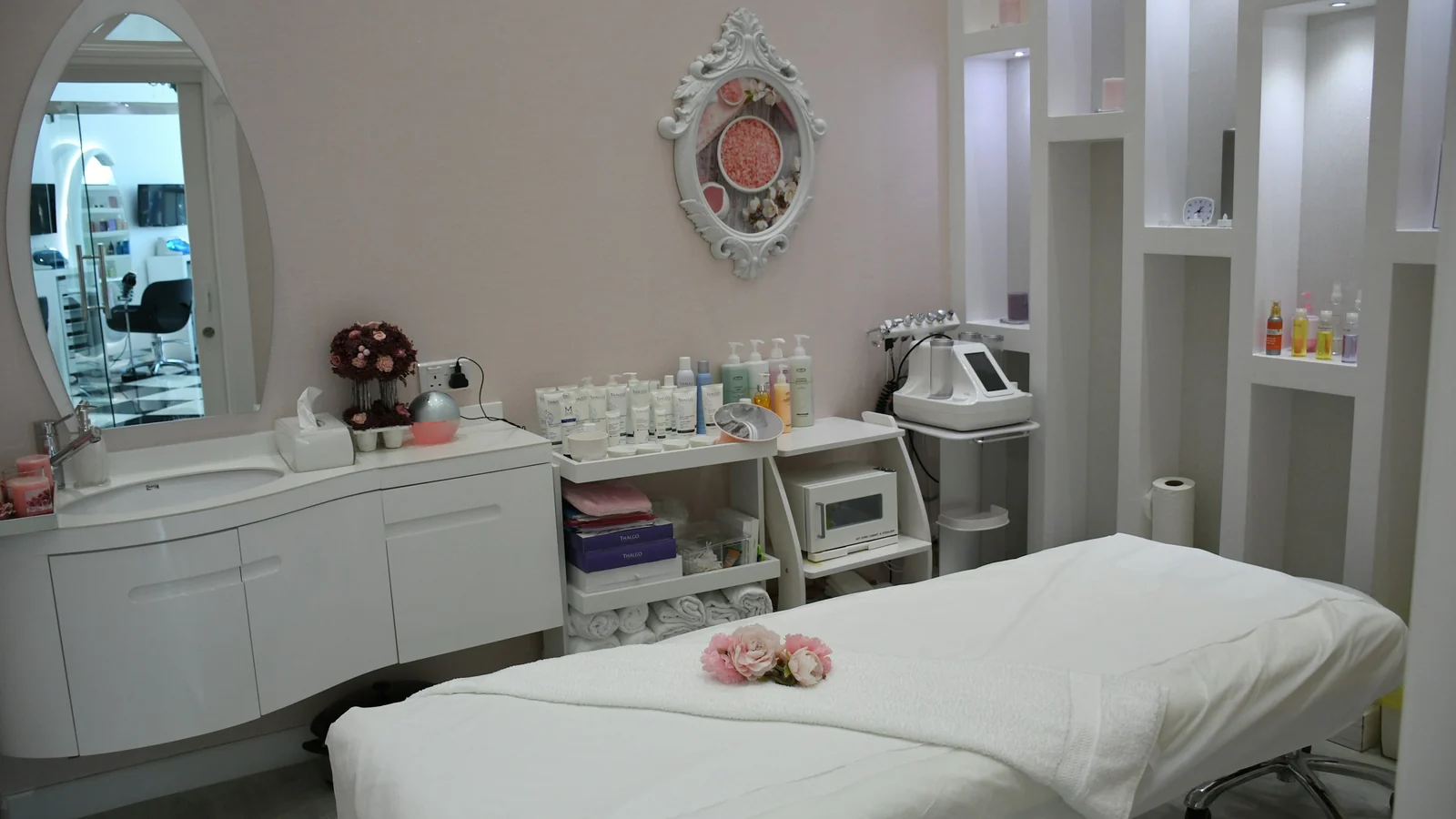
Bangkok's aesthetic clinics have made professional skin treatment part of everyday life. Patients book laser sessions, peels and hydrating facials as routinely as a haircut. Then they go home and ask the same question: what should I use until my next appointment?
In many clinics, that question is still answered with someone else's brand. The product may be perfectly good, but the loyalty it builds belongs to another company.
The Weeks Between Appointments
What happens after a patient leaves the clinic shapes how they judge the treatment. Skin can feel dry, tight or sensitive after a procedure, and it needs gentle cleansing, barrier support and daily sun protection. When the home routine is inconsistent, the clinic's work becomes harder to see.
An aftercare range under the clinic's own name lets doctors recommend products designed around the treatments they actually perform. The advice given in the consultation room and the product on the patient's bathroom shelf tell the same story.
Why Own-Label Ranges Make Commercial Sense
Retail skincare already earns clinics revenue between appointments, but third-party lines come with fixed margins and someone else's logo. An own-label range changes both. Patients reorder through the clinic, and every jar carries the clinic's name into the home.
For clinic groups with several branches, an own-label range also brings consistency. The same formulation, packaging and aftercare advice can be delivered at every location, whether the branch is in Bangkok, Chiang Mai or Phuket.
Choosing Formulas Patients Will Trust
Clinic patients tend to read ingredient lists closely, and many ask their doctor about them directly. That raises the bar for formulation. Ceramides and cholesterol help support a compromised moisture barrier. Niacinamide is popular for balancing oil, a frequent concern in Thailand's humid climate. Stabilised vitamin C derivatives help even out the look of skin tone and are less prone to breaking down than pure ascorbic acid.
Texture matters as much as actives. A heavy cream that feels comfortable in an air-conditioned treatment room can feel very different on a hot afternoon commute, so lightweight formats often suit Thai patients better.
Staying Within Cosmetic Rules
A clinic-branded product is still a cosmetic under Thai law. It needs Thai FDA notification before sale, Thai-language labelling, and claims that stay within cosmetic limits. Wording that promises medical outcomes should be avoided, however impressive the clinic's treatment results may be. A manufacturer that prepares documentation from the start makes this stage far smoother.
Start Focused, Then Expand
Most clinics do not need twenty products on day one. A focused aftercare set, such as a gentle cleanser, a barrier-repair moisturiser and one targeted serum, can be introduced to existing patients and refined based on their feedback before the range grows.
Dermavelle Wellness develops clinic-branded treatment ranges built on actives-led clinical formulations. Its catalogue includes a ceramide barrier repair moisturiser suitable for sensitive and post-procedure skin, and a concentrated repair ampoule intended for professional treatment protocols. Production runs on GMP and ISO certified lines in Singapore, with regulatory documentation prepared alongside.
If your clinic is ready to put its own name on its aftercare, speak to Dermavelle Wellness about a range built around your treatments.
Have a project in mind?
Send us your brief and we'll come back with formats, timelines and minimum quantities.
Send an enquiry