Launching a Private-Label Supplement in Hong Kong: A Pre-Launch Checklist
Many skincare brands eventually look beyond the bathroom shelf. Beauty-from-within supplements can complement a skincare range and give loyal customers another reason to come back. However, supplements sit under a different regulatory framework from cosmetics in Hong Kong, and the details matter.
Use this checklist to work through the key decisions before your first production run. It is general guidance, so confirm the specifics for your product with a qualified local adviser.
Product and classification
- Confirm how your product will be classified. In Hong Kong, an orally consumed product is generally treated as food, a pharmaceutical product or a proprietary Chinese medicine, depending on its ingredients and claims. Products containing western medicines must be registered under the Pharmacy and Poisons Ordinance, products made solely from Chinese medicines as active ingredients fall under the Chinese Medicine Ordinance, and other "health food" products are regulated as food.
- Check every ingredient against that classification. A single ingredient can change how a product is regulated, so verify the status of each one with the Department of Health wherever there is doubt.
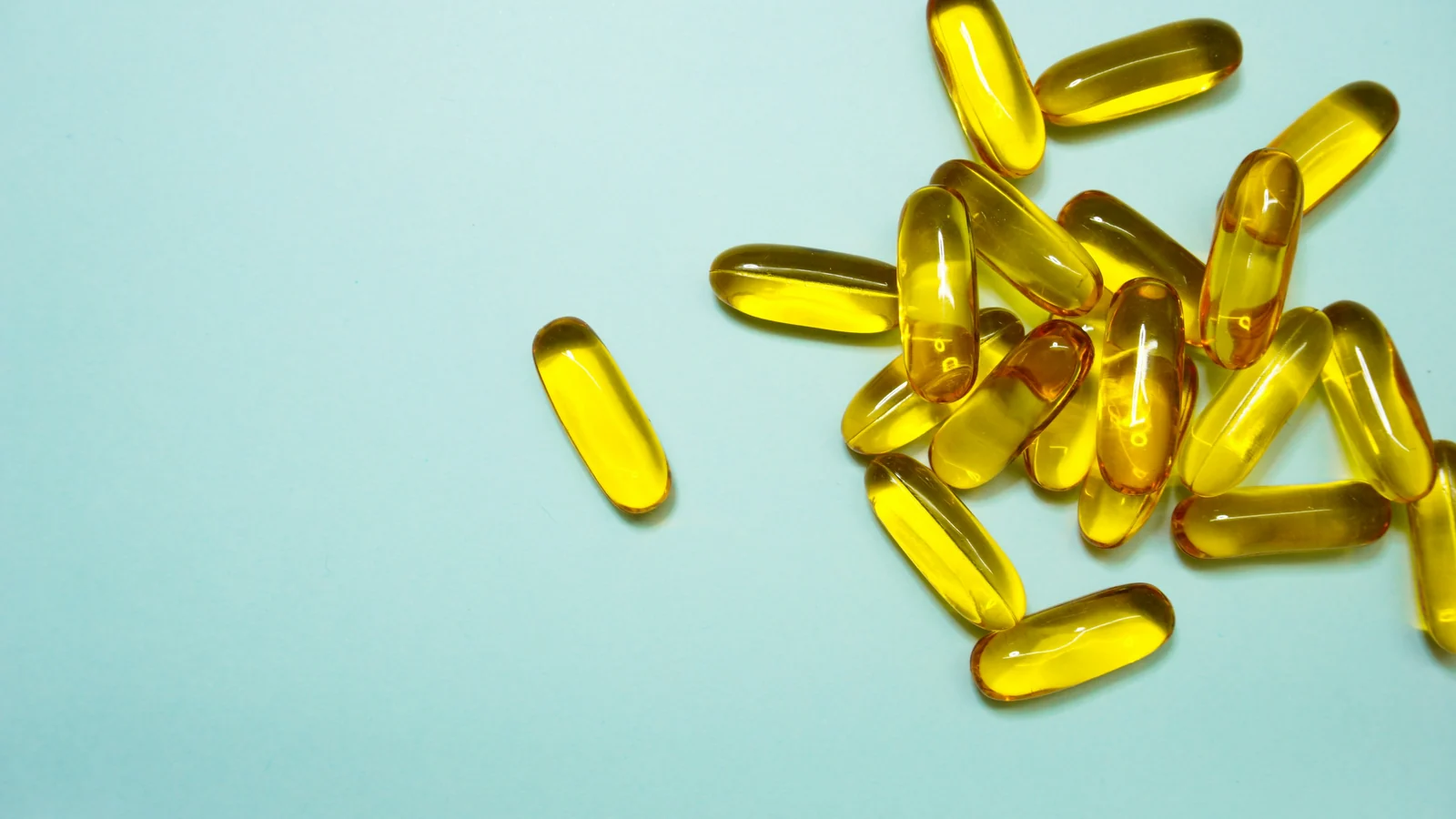
- Choose your format. Softgels suit oil-based ingredients and are easy to swallow, while other formats may better suit powdered blends. The format affects stability, dosage and cost.
- Agree the daily serving and directions. Decide how many units make up a serving, when they should be taken and any cautions that belong on the pack, and make sure these match the formula your manufacturer has developed.
Labels and claims
- Prepare a compliant label. Supplements regulated as food must follow Hong Kong's prepackaged food labelling rules, which cover details such as the product name, ingredients list, shelf-life date and the manufacturer's or packer's details. Labels can be in English, Chinese or both.
- Screen your claims carefully. Since June 2012, the Undesirable Medical Advertisements Ordinance has prohibited or restricted six groups of health claims for orally consumed products. Claims must also not be false or misleading under the Trade Descriptions Ordinance.
- Keep beauty claims grounded. Wording that suggests a supplement treats or prevents a condition can create regulatory problems and erode customer trust.
Manufacturing and quality
- Use GMP-certified manufacturing. Good Manufacturing Practice standards give retailers and customers confidence that each batch is produced consistently.
- Ask for batch test results. Records for every production run help you answer questions from retailers, distributors and regulators.
- Plan for Hong Kong's humidity. Moisture can affect capsules and softgels over time, so packaging and storage instructions should be chosen with the local climate in mind.
Commercial readiness
- Set HK$ pricing that works across channels. Pharmacies, health and beauty chains and online stores each carry different margin expectations.
- Choose a first channel. Starting with one channel, such as your own online store or an existing skincare retail partner, makes it easier to gather feedback before expanding.
- Plan reorders before launch. Know your manufacturer's lead times so that a successful launch does not end in stock-outs.
Bringing your supplement to market
Dermavelle Wellness produces dietary supplements and softgels under clients' own brand labels in GMP and ISO-certified facilities, with labelling support, batch quality control and export-ready documentation. For skincare brands extending into wellness, that means formulation and production can sit with one partner. Email contact@dermavellewellness.com to start planning your supplement range.
Have a project in mind?
Send us your brief and we'll come back with formats, timelines and minimum quantities.
Send an enquiry