From Brief to First Batch: How Skincare Formulation Development Works
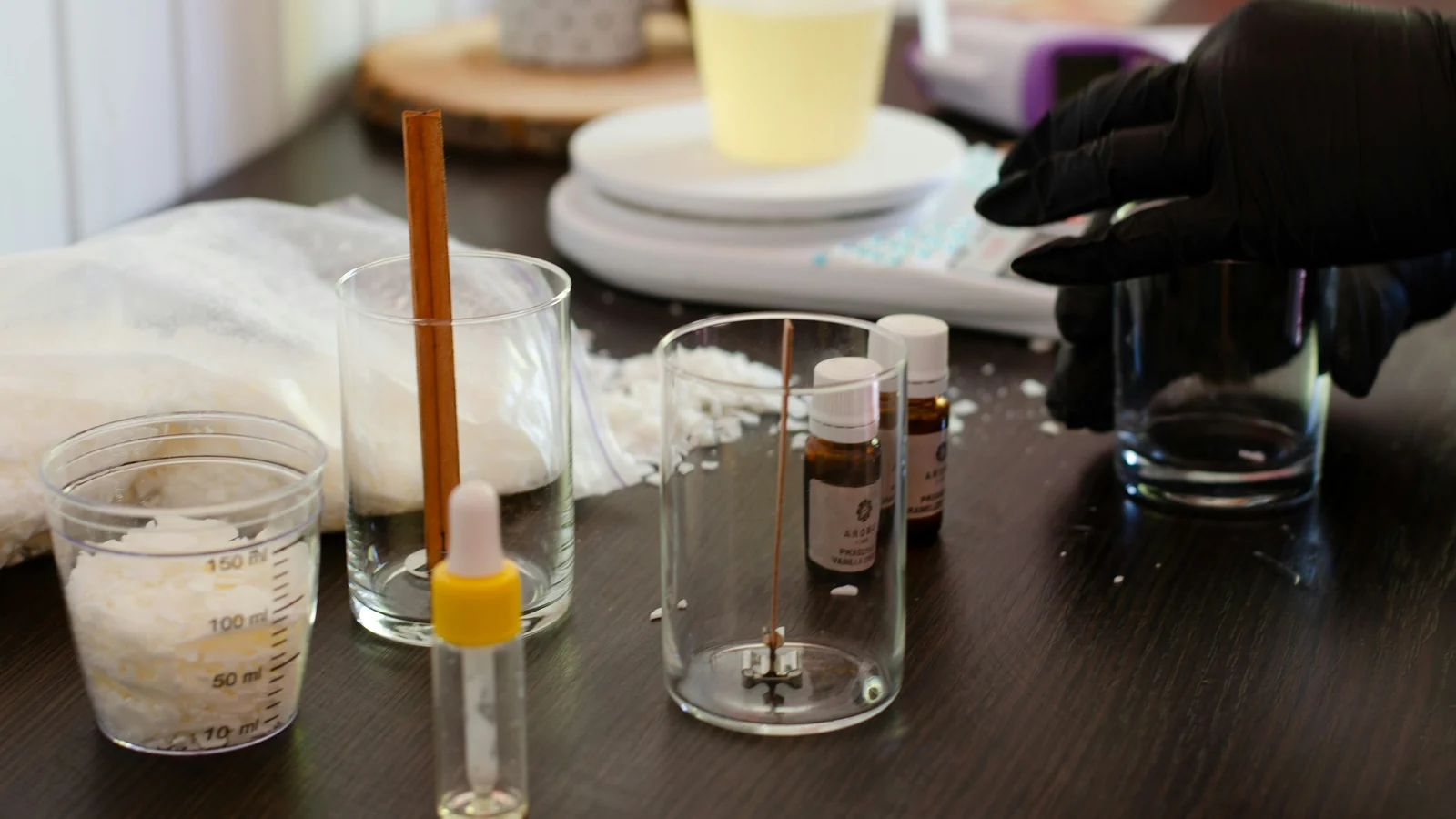
For many first-time brand owners, formulation is the most mysterious part of building a skincare line. It is easy to picture a chemist adjusting a cream until it simply feels right. In reality, formulation development follows a structured process with clear stages, and understanding them helps you set realistic timelines and make better decisions along the way.
It starts with a brief that goes beyond "hydrating serum"
A strong brief describes the product in practical terms: the target skin type, the key actives you want to feature, the texture and finish, any ingredients you want to avoid, the packaging format and your target retail price. It should also say where the product will be sold. A serum intended for Hong Kong's humid summers may need a lighter feel than one designed for a drier climate.
The more specific the brief, the fewer rounds of revisions you are likely to need.
Benchmarks and reverse engineering
Many founders arrive with a reference product they admire. A formulation team can analyse a benchmark like this to understand its texture, performance and likely structure, then develop an original formula that keeps what you liked and improves on what you did not. This is often called reverse engineering or benchmark reformulation.
It is a useful shortcut, but the aim should always be a formula you can stand behind as your own, not a copy of someone else's product.
Lab samples and rounds of feedback
Once the brief is agreed, the lab produces initial samples. You test them for spreadability, absorption, scent, finish and how they layer with other products, then send your feedback to the formulator, who adjusts and resubmits.
It helps to test samples in the conditions your customers live in. A texture that feels pleasant in an air-conditioned office in Admiralty may feel quite different after a humid walk from the MTR.
Stability, compatibility and shelf-life checks
An approved sample is not yet a finished product. Before production, the formula should be checked for stability over time, compatibility with its chosen packaging, safety and shelf life. Some actives, such as vitamin C, are known to degrade when exposed to air and light, so the packaging choice can matter as much as the formula itself.
This stage protects your customers and your reputation. A product that separates or changes colour on a shop shelf is a costly problem to fix after launch.
Scaling up without losing what you approved
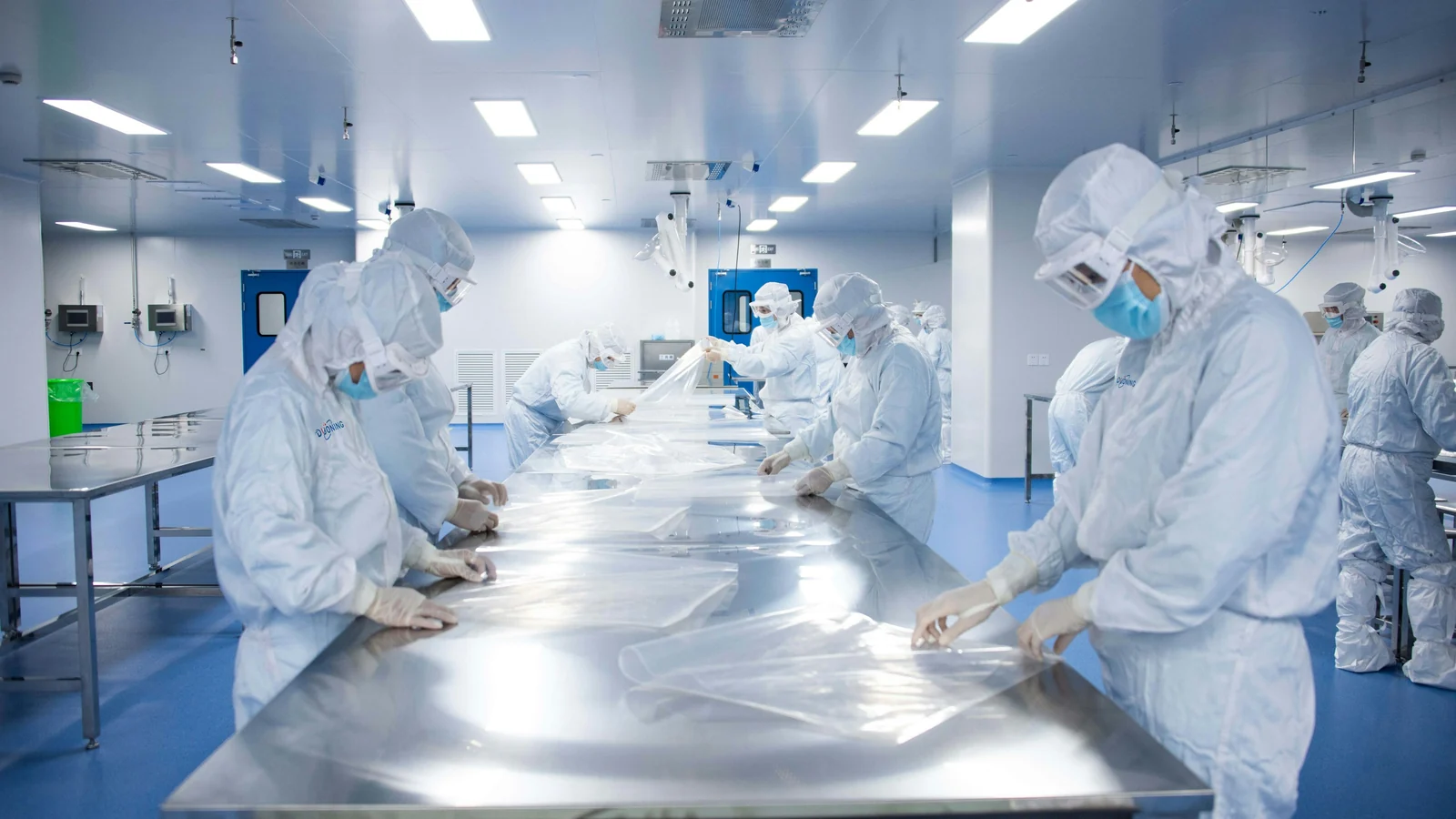
Making a few hundred grams in a lab is different from producing a full batch. Mixing equipment, heating and cooling times all change at scale, so experienced manufacturers check that the production batch matches the approved sample. Batch testing and quality records then confirm that each run meets the agreed specification.
Keeping the whole journey with one partner
Managing formulation, testing, packaging and production through separate suppliers can slow a launch considerably. Keeping them under one roof usually means fewer handovers and clearer accountability.
Dermavelle Wellness supports brand owners through every stage described above, from custom formulation and reverse engineering to batch testing and packaging, with production in GMP and ISO-certified facilities. Brands can also begin from one of more than 6,000 ready formulas to shorten development. To talk through your brief, visit www.dermavellewellness.com or message the team on WhatsApp at +65 8930 6689.
Have a project in mind?
Send us your brief and we'll come back with formats, timelines and minimum quantities.
Send an enquiry